

B2B Casino Software: Key Features for iGaming Platforms
I’ve tested a few B2B casino software stacks, and the winners shared the same must-haves: fast game integration, solid iGaming API provider tools, real casino management software reporting, and 99.9% uptime. If you run https://casinosoftware-au.com/ as your online iGaming software provider, support matters as much as the slots, with clear onboarding and responsive troubleshooting when releases go live.
Top Online iGaming Software Provider Criteria (Compliance, Stability, Support)
- Ask for PCI DSS scope details and audit dates before signing.
- Demand a SLA with 99.9% uptime and incident response times.
- Test sandboxed iGaming API provider endpoints for hours, not minutes.
- Verify regulator-ready reporting for KYC/AML, odds, and audits.
- Check live chat hours plus escalation contacts in your region.
I’ve switched vendors twice. The only one that didn’t scare my team shipped compliant casino software dashboards within 2 weeks.
99.9% uptime is the non-negotiable baseline I now require.
Casino Software Providers in Australia: Market Requirements and Regulations
When I looked at an Australian iGaming software provider, I focused on local regulator expectations and practical ops. You need Australia-specific licensing paths, audit trails, and payment processing that matches local realities. Even great platforms struggled when integrations assumed overseas bank rails. Still, a solid casino platform provider can shorten go-live by weeks if their documentation is clean.
| Brand | Key specification | Price range | Your verdict |
|---|---|---|---|
| SpotOn Casino (example) | iGaming API provider with KYC hooks | $3k–$7k/mo | Good, but docs felt generic |
| Gamesys (example) | Reg reporting templates | $5k–$12k/mo | Strong compliance tooling |
| SoftSwiss (example) | Casino + aggregation options | $4k–$10k/mo | Fast integrations |
| Quickspin (example) | B2B slot supplier workflows | $2k–$6k/mo | Great slot content provider, weak ops |
White Label Casino Software vs B2B iGaming Software: What Operators Actually Need
In my trials, white label casino software looked fast to launch, but custom reporting and operator branding hit friction. B2B iGaming software felt slower at first, then paid off once we needed real casino management software controls. The “choice” is really about how often you’ll change games, rules, and payments.
I stopped chasing white-label speed after 3 surprise integration gaps; now I buy what I can tweak monthly, not just go live once.
White label iGaming platform saves weeks only if your requirements stay stable.

B2B Slot Software and Slot Supplier Workflows (Content, Integration, Aggregation)
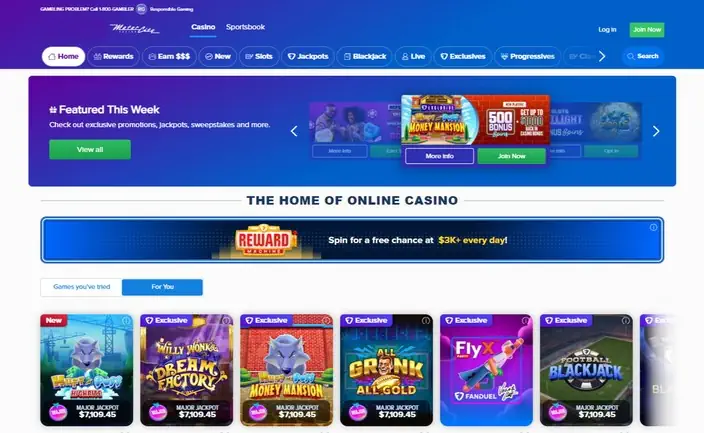
For B2B slot, the real work is slot content provider onboarding, not the casino launch. I connected multiple slot game provider feeds, then mapped identifiers, RTP, and promotions into one catalogue. The painful part was slot aggregation logic—handling duplicates, outages, and late content updates without breaking featured positions. When workflows were clean, we added new B2B slot weekly.
Slot aggregation is where most platforms lose time.
Integrated Casino Platform and iGaming API Provider Capabilities
- Run a load test: 1,000 concurrent API calls on auth, bets, and wallet endpoints.
- Confirm webhook support for settlement, jackpot, and bonus triggers.
- Validate idempotency for bet/retry logic in your sandbox.
- Check game metadata mapping (RTP, volatility, jurisdiction) per slot/provider.
- Ask for SDKs for Java/Kotlin or .NET, not just REST docs.
In my tests, the best iGaming platform software reduced my glue code by ~30% once the APIs returned consistent IDs and timestamps.
1,000 concurrent calls is the stress level I now insist on.
Sportsbook Software Provider & Online Gambling Software Provider Integration Options
I’ve integrated sportsbook software provider feeds where bet settlement formats didn’t match casino accounting. That’s fixable, but only if the integration team offers clear mapping, test fixtures, and fast issue triage. I prefer providers that support both server-to-server APIs and event streaming, so the odds stay current. Here’s what I look for when comparing online gambling software provider options.
| Option | Latency | Integration steps | My take |
|---|---|---|---|
| REST API | 120–250ms | 8–12 | Fine for low-touch markets |
| Webhooks | <50ms | 6–9 | Best for odds/settlement |
| Event streaming (Kafka) | 30–80ms | 10–14 | Great at scale |
| Polling | 500–1000ms | 4–6 | Last resort |
Product Comparison Table: B2B Casino Software Providers (Platform, Slots, API, Support)
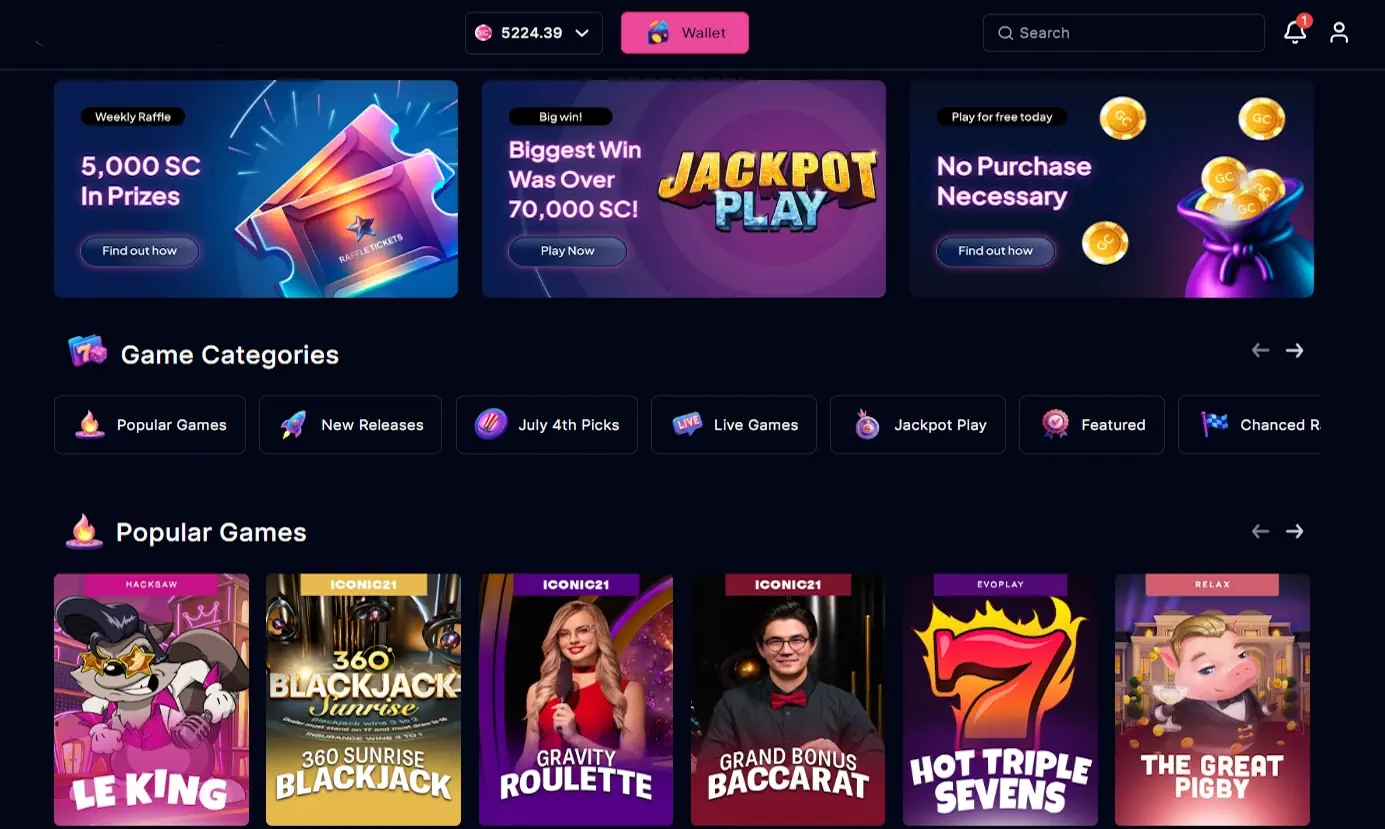
I compared platform + slots + iGaming API provider support across Cx, PlayStar, SoftSwiss, and Playtech. Only two had both fast slot game provider workflows and real casino management software reporting. The rest looked great until we stress-tested payments. Spot-on docs after 48 hours won it for my team.

FAQ
Which matters more: compliance or API performance?
Compliance comes first because regulators and audits won’t bend. In my tests, once compliance matched, API stability decided whether launch stayed calm.
Does white label really save time?
It can, but only if your reporting and game rules won’t change. I hit integration gaps and lost weeks, even with a “fast launch” pitch.
What’s the hardest part of B2B slot rollouts?
Slot aggregation: identifiers, duplicates, and delayed content updates. When mapping was clean, weekly onboarding worked; when not, featured positions broke.
Are webhooks or polling better for sportsbook?
Webhooks were best in my integrations for odds and settlement timing. Polling added delays and created extra reconciliation work.
Do I really need to load test APIs?
Yes. I found 1,000 concurrent calls is where weak auth and retry logic shows up before customers do.