



























































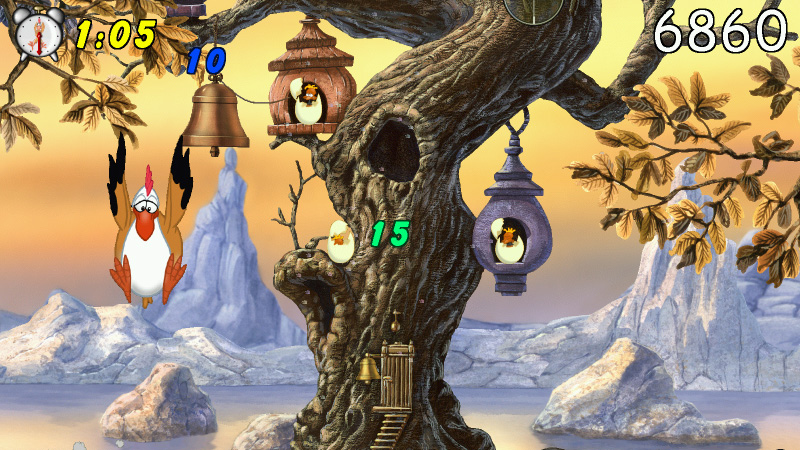
Chicken Shoot Game has carved out a firm niche for UK players who love arcade action https://chickenshootgame.eu/. The idea is simple: shoot targets, grab rewards. It’s an compelling loop. But many players, newcomers especially, walk right into the usual pitfalls. These errors can empty your virtual bullet belt in no time and put a hard ceiling on your scores. Identifying and sidestepping these traps is what turns a annoying session into a rewarding one, where you truly get somewhere.
Gaming Missing a Clear Strategy or Objective
Starting the game with a completely reactive attitude is a quick path to ordinary results. Chicken Shoot is entertaining, no doubt. But using even a basic strategy is what elevates the top players from the crowd. What’s your aim? Are you just passing ten minutes, or are you attempting to unlock a specific bonus round? Your goal shapes your tactics. Lacking one, you’ll make unsteady decisions on bet size, which chickens to shoot, and when to stop. All of that diminishes at your potential success.
A simple plan might be to start with a lower bet to get a feel for the game before committing more. Or you could opt to only shoot chickens that are part of a possible combo chain. Setting a win goal alongside your loss limit is a pro move too. Opting to cash out after you’re 50% up, for instance, guarantees those winnings. These little guidelines give you a sense of control and direction. Your gameplay becomes more intentional, and that usually means more satisfying.
Overlooking Bonus Features and Key Symbols
Neglecting the game’s special features is like owning a power drill and using it as a paperweight. Chicken Shoot isn’t only about hitting ordinary chickens. It’s packed with special symbols like wilds, multipliers, and bonus triggers. A major mistake is seeing these as just another target without understanding what they can do. A wild symbol might act for others to complete a high-value combo. A multiplier could increase or even triple the win from a single shot.
The Power of Targeted Bonuses
The bonus round is the spot where the jackpots lie. This is usually a free shoots feature or a pick-and-win game. Players who never learn how to trigger it—often by gathering specific items or landing scatter symbols—are overlooking the whole point. During these features, ammo is typically unlimited or is refilled, letting you take aim without worry. Figuring out which targets to focus on to activate these rounds should be the heart of any good strategy. It’s the gap between a decent session and a fantastic one.
Skipping Practice in Trial Mode
Many UK online sites offer a “demo” or “free play” version of Chicken Shoot. Skipping this to go straight for real money is a lost chance. The demo mode is a safe training camp. You can learn the game’s speed, spot target patterns, and see how the features trigger without spending a single penny. It’s the best place to try out different strategies, understand how the bonus rounds operate, and get the hang of the controls.
You get to make all your beginner mistakes here, where they cost nothing. Play with ammo conservation. See what happens when you zero in on certain symbols. By the time you move to real play, you’ll be a skilled shot with a plan you’ve already tested. You won’t be a novice fumbling with the basics while your balance ticks down. It’s the prepared way to begin your Chicken Shoot run.
Getting good at Chicken Shoot isn’t just about fast fingers. It’s about avoiding of these common strategic errors. Study the rules. Treat your ammo like it’s gold. Comprehend what volatility means. Utilize the bonus features. Blend that knowledge with disciplined spending and some demo mode practice, and you transform the experience. It shifts from pure luck to something with skill and real thrill. The best players are the ones who shoot with precision, and with a plan.
Getting wrong Volatility and Prize Timing
Arcade type games like this one differ, and “volatility” is a critical notion to understand. A common error is expecting a constant flow of minor payouts from a high risk game like Chicken Shoot usually is. High volatility means prizes can be more sporadic, but they tend to be far larger when they come. Players who miss this often become frustrated during a dry patch. They assume the game is “off” or “cold,” and occasionally they leave right before a big bonus feature was about to kick in.
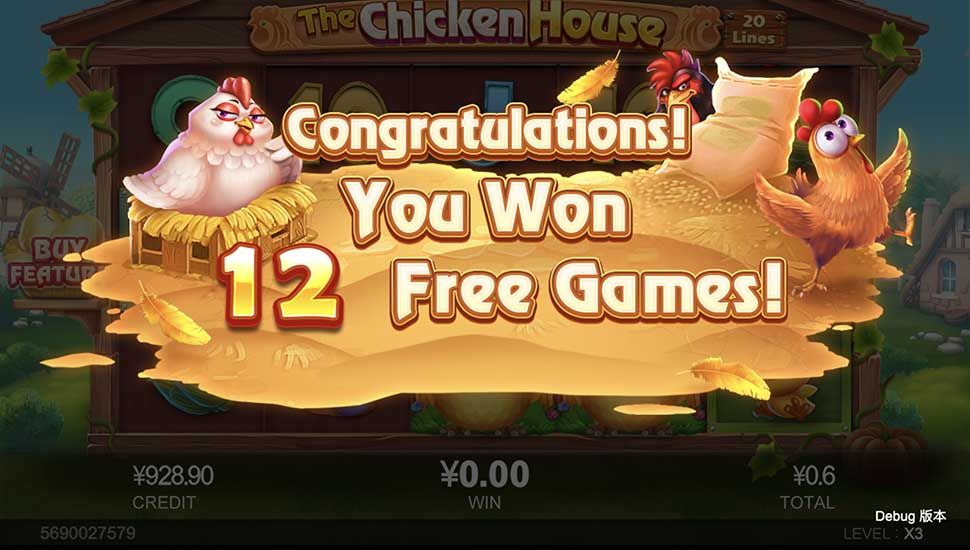
You must understand the game’s rhythm. UK players should go into Chicken Shoot with the attitude of a hunter anticipating one big prize. Patience isn’t just useful here, it’s essential. The excitement comes from the buildup in the main game, leading to those explosive bonus rounds where the real rewards live. If you adjust your outlook to suit the game’s high-volatility style, you sidestep frustration. The wait makes the ultimate feature hit feel even greater.
Skipping the Paytable and Game Rules
Jumping in without reading the manual is a rookie move. Every game like Chicken Shoot uses a fixed set of rules, with a paytable that details what each target is worth. Your primary duty as a UK player is to track down this info and study it. It reveals which chickens offer the highest payouts, what the wild or bonus symbols really do, and explains any special modes. This is your essential groundwork. Skip it, and you’re just firing blindly, losing any chance for a solid strategy.
Why the Paytable is Your Top Resource
Think of the paytable as the game’s instruction sheet. It gives you the exact conditions for triggering bonus rounds, usually by obtaining certain items or landing scatter symbols. You may find out, for example, that hitting three golden eggs in one round is what triggers the free shoots feature. With that knowledge, you can change your focus during play. You stop firing at everything and start aiming for the targets that contribute to these big events. Every shot has intent, steering you toward the game’s top prizes.
Differences in Rules Between Platforms
Smart UK players should also be aware of small discrepancies between platforms or casinos. The foundation of Chicken Shoot is consistent, but the particulars—like how many scatters you must have for a bonus or the value of a multiplier—might differ. Spending thirty seconds to check the rules on your specific site ensures your tactics fit. This quick check is what differentiates a random player from a skilled player. It keeps you from making a poor assumption when it is most important.
Bad Resource and Ammo Handling
There is nothing worse than squeezing the trigger and experiencing a empty click at the ideal moment. In Chicken Shoot, your ammo is everything. Handle it poorly, and you’ll see the game over screen far too often. The common mistake is the “spray and pray” method, firing wildly at each and every target that shows up. This burns through shots on low-value chickens and leaves you with nothing when a high-value flock or a bonus symbol at last drifts into view.
You have to conserve ammo with a bit of strategy. That involves timing your shots and demonstrating a little discipline. Let the low-value targets go by if they are not part of a bigger combo or if your bullet count is dwindling. The goal is to hold enough in the chamber so you can seize the golden chances. It’s like managing your weekly budget. You wouldn’t blow it all on cheap snacks if you were aware a proper meal was coming up.
Chasing Losses with Higher Bets
This is a hazardous habit you see in all sorts of games, and it’s a real risk in the UK’s busy gaming scene. After a run of bad luck or small returns, a player might raise their bet size on a whim, wishing the next win will erase all the previous losses. For a game like Chicken Shoot, which runs on a Random Number Generator (RNG), this logic doesn’t apply. The game doesn’t remember what happened last round. Placing a bigger bet doesn’t cause a win more likely.
This can snowball fast, turning a fun bit of play into something tense and unpleasant. The more effective, more responsible approach is to set a clear loss limit before you even start the game. Pick a bet size that suits your session budget and hold it steady. Wins and losses will come and go, but chasing losses just adds more risk. Good bankroll management lets you playing longer and preserves the whole experience enjoyable.


